
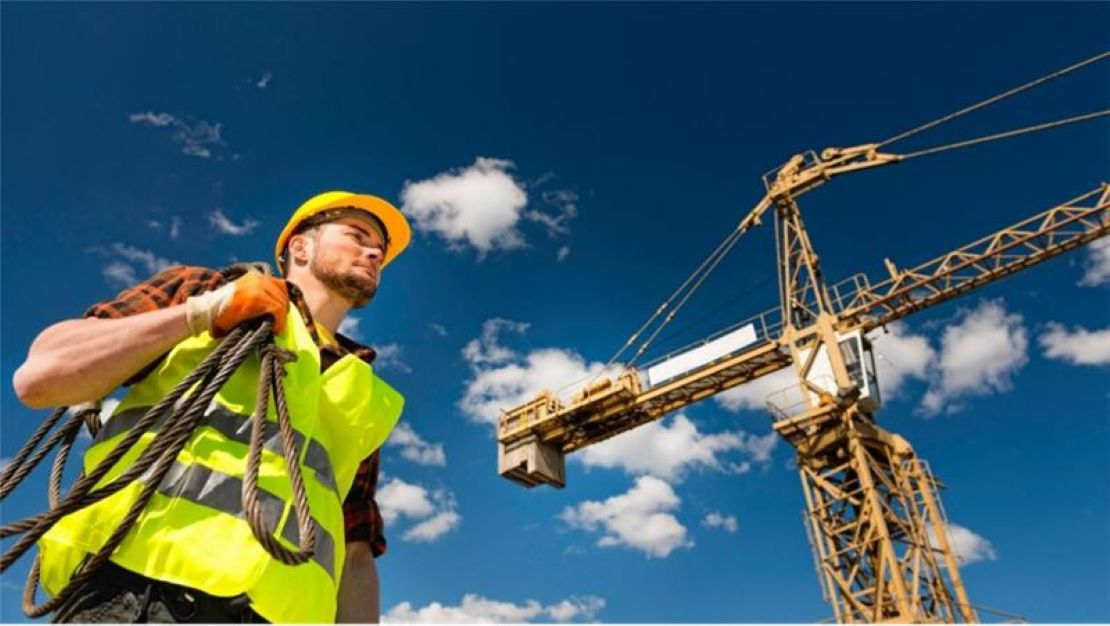
The construction industry is facing a workforce crisis. This year, the industry will need to attract and retain nearly 500,000 new workers just to keep pace with demand, and the people most likely to fill those roles are the ones leaving. The industry-wide median years of experience is just 3.9, a number that drops sharply for workers under 27.
For the Gen Z construction workforce, the job often ends before it ever really begins. The pattern is predictable. One worker walks off the site, the remaining crew absorbs the pressure, deadlines slip, tempers rise, and two more follow. It’s a vicious cycle that costs thousands. The industry writes it off as a work ethic problem, but it’s really a culture mismatch, and the companies that start addressing it will start to see a positive change.
How to Give Feedback That Supports Gen Z Workers
The communication gap on job sites is wider than most leaders realize. Research shows Gen Z workers actively want daily check-ins with their supervisors. Not to be micromanaged, but to feel connected, informed, and valued. The challenge is that many seasoned construction leaders built their careers in an environment where communication was direct, verbal, and lean. If something was wrong, you heard about it. If something was right, you kept working. “No news is good news” wasn’t a philosophy, it was efficiency. Instructions came down the chain clearly and quickly, and the expectation was that crews were capable enough to execute without hand-holding.
That style worked, and in many ways still does. But for a generation that grew up with:
- Instant feedback
- Visual content
- Digital everything
…the silence that once signaled trust can now feel like disconnection. What reads as confidence in someone’s ability can land as indifference to their development. The message hasn’t changed, but the receiver has.
Bridging the gap doesn’t mean abandoning directness. It means delivering it through channels and rhythms that actually land. That includes:
- Switching from paper-based logs to mobile-first project management platforms for real-time visibility
- Replacing four-hour manual training sessions with three-minute task and safety videos that reflect how today’s workforce absorbs information
- Moving from annual performance reviews to on-the-spot recognition that closes the feedback loop in the moment it matters most.
The goal isn’t to soften leadership; it’s to make sure it sticks.
How to Display a Clear Career Advancement Schedule for Employees
One of the most overlooked causes of turnover is also one of the simplest to understand. Young workers in construction want to know where they’re headed. Historically, the path from laborer to leader has been a slow climb with few visible milestones along the way, which worked in a time when loyalty was assumed, and options were limited.
Today’s reality looks nothing like that. 70% of Gen Z workers want to be promoted within their first 18 months on the job. Many Gen Z workers cite skill development as their top motivator on the job, and they are more likely to leave if they can’t see a clear career path. This is a clear signal that career progression is more important than ever.
Forward-thinking contractors are beginning to respond to this by “gamifying” the trade. Offering micro-certifications in high-demand skills like drone operation or BIM basics, which give workers a feeling of progress without waiting years for a title change. Some are even creating new roles that bridge the field and the office, for positions that speak directly to a generation that doesn’t see a hard line between physical work and digital fluency. When advancement feels reachable, retention typically follows.
Is Workplace Culture Important to Gen Z?
If you ask most experienced contractors what keeps workers on the job, the answer is typically, pay them well, and they’ll stay. For Gen Z, this doesn’t quite cut it. While competitive wages are still expected, research consistently shows this generation prioritizes feeling appreciated and maintaining work-life balance over chasing a slightly bigger paycheck. What’s driving them out is sometimes the culture they walk into every morning.
The construction industry has long carried a “pay your dues” mentality, where enduring harsh treatment, impossible expectations, and the occasional hazing is framed as a rite of passage. For younger workers, that culture doesn’t resonate or build toughness. It makes them unmotivated, fast. Mental health conversations are also highly valued by this generation, making support and flexible scheduling a new kind of workplace safety requirement.
What Are the Hidden Costs of Poor Retention?
In construction, turnover has always been treated as an inconvenience, something to manage rather than a cost to measure. But the real costs go beyond frustration. Every time a worker leaves, the company is affected in three ways. Productivity falls while the role sits open, recruitment dollars go toward finding a replacement, and training time is spent bringing someone new up to speed on tools, processes, and site culture that the last person spent months learning. Multiply that across an entire crew, across a season, and the financial damage can add up.
Companies that have figured out the secret to construction employee retention and are keeping employees for an average of ten years or more aren’t just saving on hiring costs. They’re operating with better safety records and crews that communicate well. Resulting in meaningfully higher profit margins and a true competitive edge.
Build a Strong Foundation for the Future
An essential part of construction is building things to last. Bridges that hold for a century. Foundations that never shift. Structures that outlive the people who built them. But right now, the most important thing contractors need to build is a workforce that wants to stay.
The companies that will thrive in the next decade are the ones that adapted early. They saw that taking on a more digital strategy wasn’t about chasing trends, but about meeting the next generation of skilled workers where they are.
If you’re a contractor watching your younger crew cycle in and out and wondering what you’re doing wrong, you’re already asking the right question. At Workforce Solutions, we can help you build a retention plan that actually works for today’s labor force.
Reach out to our team and let’s start the conversation.