
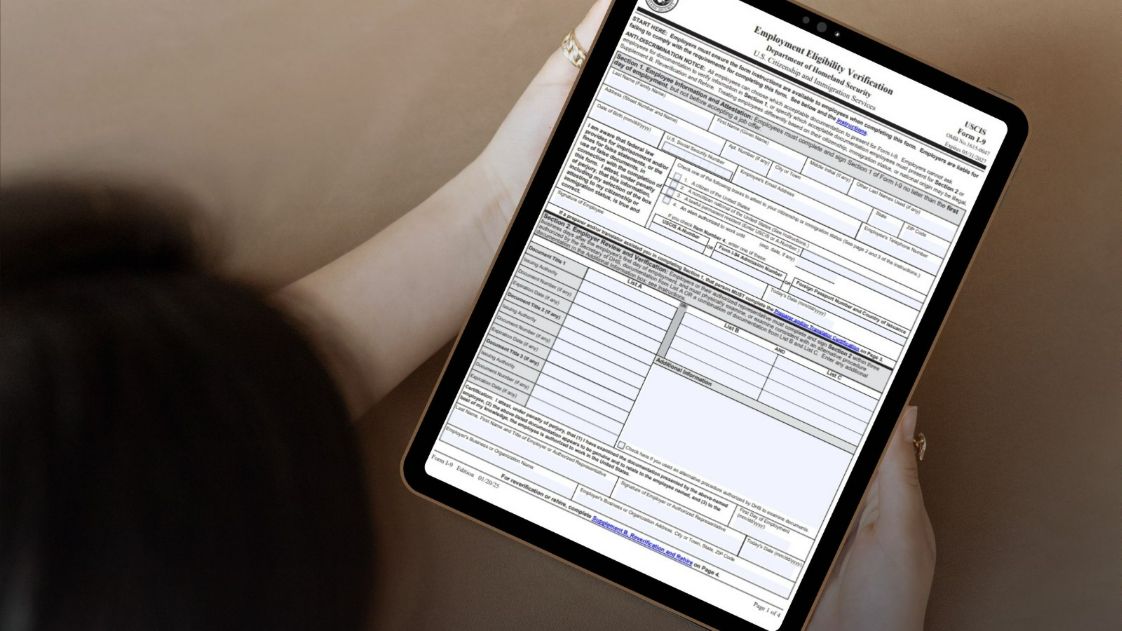
Employers used to have a 10-day window to fix a simple typo or a missing date on a Form I-9. Not anymore. U.S. Immigration and Customs Enforcement (ICE) has updated its inspection guidelines, shifting over 10 categories of paperwork errors from “technical violations” to “substantive violations.” What that means for your business? Minor oversights now bypass the traditional correction window and can trigger immediate, uncorrectable fines.
Let’s talk about what has changed and ways organizations can reduce compliance risk
What Is the Difference Between a Technical and Substantive I-9 Violation?
Under the old system, many common mistakes were treated as “technical or procedural failures.” When ICE auditors spotted these errors during an inspection, they issued a formal notice and gave employers 10 days to correct the paperwork.
That grace period is no longer guaranteed for many common errors. ICE has reclassified over 10 categories of previously minor mistakes as substantive violations. Substantive violations are treated as more serious compliance failures and may result in immediate monetary penalties.
What I-9 Mistakes Can Trigger an Automatic Fine?
The newly reclassified errors span every part of the form. Examples of errors that may now be treated as substantive violations include:
Employee-Side Errors
- Missing date of birth in Section 1
- Missing work authorization expiration date
- Failure to date the employee’s own signature
Employer-Side Errors
- Omitting the authorized representative’s name or title
- Leaving out the employee’s exact first day of employment
- Incomplete or missing employer certification details
Document Verification Errors
- Missing document number, title, or expiration date in Section 2
- Failure to list the Alien Registration or USCIS number when required
Systemic and Operational Errors
- Using electronic I-9 systems that produce incomplete audit trails
- Remote verification setups not aligned with active E-Verify parameters
- Completing the Spanish-language version of the form outside of Puerto Rico
How Much Could I-9 Violations Actually Cost My Business?
The financial exposure risk scales quickly with your workforce size.
Civil penalties for substantive paperwork violations can reach thousands of dollars per form, depending on the circumstances and applicable penalty schedules. For mid-sized employers maintaining hundreds of active I-9s, just one overlooked compliance gap could result in six-figure liabilities.
The financial impact is only part of the challenge. When ICE issues a Notice of Inspection (NOI), HR teams are pulled from recruiting and employee engagement to handle document retrieval, legal consultations, and audit responses. Not to mention the reputational risk. I-9 compliance issues may surface during mergers and acquisitions due diligence, complicate corporate partnerships, and damage brand trust if enforcement actions become public.
What Should HR Leaders Do to Protect Against I-9 Fines?
There are several steps organizations may consider to help reduce compliance risk.
Step 1: Conduct an Internal Self-Audit
Don’t wait for a Notice of Inspection to uncover issues in your records. Gather all current active I-9s as well as terminated employee files that are still within the required retention period. Carefully review each form for the substantive errors noted above.
Step 2: Standardize Training
The most common I-9 errors occur when untrained or undertrained staff complete forms under pressure during busy onboarding periods. Organizations may benefit from providing updated, documented training to employees responsible for completing Section 2 verification.
Step 3: Audit Your I-9 Technology Stack
If your organization uses an HRIS or electronic I-9 platform, review whether it supports applicable electronic signature and recordkeeping requirements and maintains a clear, uninterrupted audit trail. For any remote or virtual verification processes, make sure that they fully comply with current E-Verify requirements.
How Can an HR Partner Help You Stay Compliant With I-9 Changes?
Staying ahead of regulatory shifts like this one is where having a dedicated human resources partner, like Workforce Solutions, can help.
Our team works alongside HR leaders to help develop and maintain I-9 processes that support compliance throughout the employment lifecycle. From self-audit support and staff training to technology reviews and ongoing compliance assistance, we are committed to your HR success.
When compliance requirements change, you need a partner who is already tracking those shifts and translating them for your team.
Is Your I-9 Process Built for a Zero-Mistake Standard?
The margin for error on Form I-9 has effectively shrunk to zero. The employers who will manage these challenges successfully are the ones who treat compliance as an ongoing operational discipline.
Compliance isn’t just about achieving perfection. It protects your business, your bottom line, and your team.
When was the last time you reviewed your onboarding paperwork?
If you need help reviewing your documentation process, Workforce Solutions can help.
This article is intended for general informational purposes only and should not be construed as legal advice. Employers should consult qualified legal counsel regarding specific immigration or employment compliance questions.